



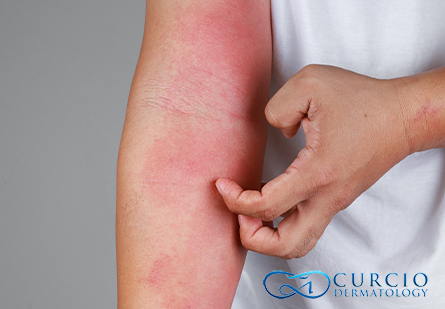
With Tennessee’s humid summers and mild winters, skin can react unpredictably. Residents in cities like Nashville, Franklin, and Brentwood often notice flare-ups caused by changes in temperature, humidity, and allergens. According to the American Academy of Dermatology, environmental triggers are among the most common causes of skin irritation and inflammation.
Red itchy bumps on skin, dry patches, and spots on arms can have several possible causes. These may include eczema, contact dermatitis, keratosis pilaris, folliculitis, insect bites, heat rash, allergic reactions, or sun-related skin changes. Because different conditions can look similar, persistent, spreading, painful, or changing symptoms should be evaluated by a dermatologist.
At Curcio Dermatology, our board-certified dermatologists treat a wide range of skin conditions affected by the Tennessee climate. Whether you are dealing with seasonal eczema, acne breakouts, sun damage, unexplained spots, or red itchy bumps, early diagnosis and personalized care can make all the difference.
Our Green Hills dermatology office serves patients from Nashville, Franklin, Brentwood, and surrounding Middle Tennessee communities. Patients searching for a dermatologist in Nashville or a dermatologist in Green Hills can receive personalized medical skin care based on their symptoms, medical history, and individual needs.
Concerned about an unexplained rash, itchy arm bumps, or persistent skin irritation? Schedule a dermatology appointment for a professional evaluation.
The Impact of Tennessee’s Climate on Skin Health
Tennessee’s climate presents year-round challenges for maintaining healthy skin. High humidity and heat in the summer months often lead to excess sweating and clogged pores, while cooler, dry winter air can dehydrate and irritate sensitive skin. These seasonal changes can worsen chronic conditions such as eczema, acne, and rosacea.
Nashville skin concerns often change throughout the year. Heat and sweating may contribute to breakouts and heat rash during summer, while pollen, plants, and other outdoor allergens may trigger itching or contact dermatitis. During winter, lower humidity and indoor heating can weaken the skin barrier and make dry or sensitive skin feel rough, tight, flaky, or irritated.
If you are searching for help with a Brentwood dry skin problem, your symptoms may be related to seasonal dryness, eczema, irritation from personal care products, medication side effects, or another underlying condition. When dryness does not improve with gentle skin care and regular moisturizing, a dermatologist can help identify the cause.
Increased UV exposure during the warmer months also heightens the risk of premature aging and skin cancer. The National Weather Service Nashville UV Index frequently ranks high between May and September, so year-round protection is essential.
Summer Heat, Sweat, and Humidity
High temperatures and humidity can increase sweating and oil production. Sweat, sunscreen, cosmetics, and tight clothing may trap heat and bacteria against the skin, contributing to acne, folliculitis, heat rash, and irritation.
Gently cleansing the skin after exercise or prolonged outdoor activity can help remove sweat and buildup. Avoid aggressive scrubbing because it can damage the skin barrier and worsen redness or inflammation.
Pollen, Plants, and Seasonal Allergens
Tennessee’s seasonal pollen and abundant plant life can contribute to eczema flare-ups, contact dermatitis, and allergic skin reactions. Outdoor exposure to poison ivy, fragrances, lawn products, and airborne allergens may also lead to itching, redness, or blisters.
Changing clothes and washing exposed skin after gardening, hiking, or yard work may help reduce prolonged contact with potential irritants.
Dry Winter Air and Indoor Heating
Cool weather and indoor heating can reduce moisture in the skin. This may lead to dryness, flaking, cracking, itching, or eczema flare-ups.
Using a fragrance-free moisturizer after bathing, avoiding very hot showers, and running a humidifier indoors may help support the skin barrier during winter.
UV Exposure and Sun Damage
UV exposure can contribute to premature aging, uneven pigmentation, sun spots, actinic keratoses, and skin cancer. Sun damage can develop gradually, even when the skin does not visibly burn.
Patients searching for sun damage treatment in Nashville may benefit from a professional skin evaluation to determine whether visible changes are cosmetic, precancerous, or require further testing.
Dermatologist Tips:
- Apply broad-spectrum SPF 30 or higher daily, even on cloudy days.
- Reapply sunscreen approximately every 2 hours when outdoors and after swimming or heavy sweating.
- Choose lightweight, non-comedogenic moisturizers in summer and switch to richer creams in winter.
- Cleanse gently after sweating to help prevent breakouts and clogged pores.
- Use fragrance-free detergents, cleansers, and moisturizers if your skin is sensitive.
- Avoid taking very hot showers, which may worsen dryness and irritation.
- Wear protective clothing, sunglasses, and a wide-brimmed hat during prolonged outdoor activities.
Common Skin Conditions in Tennessee
What Can Cause Red Itchy Bumps on Skin?
Red itchy bumps on skin can be caused by several inflammatory, allergic, infectious, or environmental conditions. Common possibilities include eczema, contact dermatitis, heat rash, folliculitis, insect bites, hives, and reactions to medications or personal care products.
The location, appearance, duration, and timing of the bumps can provide useful clues. A dermatologist may also ask about recent outdoor activities, new soaps or detergents, medication changes, illness, travel, pets, and exposure to plants or insects.
Avoid assuming that all red bumps have the same cause. Treatments that help eczema may not be appropriate for an infection, and products used for acne can sometimes worsen dry or irritated skin.
What Can Cause Itchy Bumps on the Inner Arm?
Itchy bumps on inner arm areas may develop after exposure to sweat, friction, fabrics, fragrances, detergents, plants, or personal care products. The inner arms can also be affected by eczema, contact dermatitis, heat rash, folliculitis, insect bites, or allergic reactions.
Possible causes include:
- Eczema: Dry, inflamed, itchy patches that may repeatedly flare.
- Contact dermatitis: A reaction caused by direct contact with an irritant or allergen.
- Heat rash: Small bumps caused by trapped sweat, especially during hot and humid weather.
- Folliculitis: Inflamed hair follicles that may look like small red or acne-like bumps.
- Insect bites: Localized bumps that may appear after outdoor activity.
- Hives: Raised, itchy welts that may move, fade, or change shape.
- Keratosis pilaris: Small, rough bumps commonly found on the upper arms, although they are not always itchy.
Seek professional care when itchy bumps on the inner arm continue to spread, interfere with sleep, become painful, develop drainage, or fail to improve.
What Can Cause Spots on Arms?
Spots on arms may appear red, brown, white, rough, raised, flat, or scaly. Some are harmless, while others may need professional evaluation.
Common causes can include:
- Freckles and sun spots
- Post-inflammatory pigmentation after a rash or insect bite
- Eczema or contact dermatitis
- Keratosis pilaris
- Fungal infections
- Actinic keratoses caused by accumulated sun exposure
- Moles and other benign skin growths
- Skin cancer
A new spot does not automatically indicate skin cancer. However, spots that change in size, shape, color, or texture, or that itch, bleed, become painful, or do not heal, should be examined by a dermatologist.
Different rashes and arm bumps can look similar but may require different treatment approaches. Book a dermatology appointment to have persistent symptoms professionally evaluated.
Acne and Breakouts
Acne is not limited to teenagers. Many adults in humid climates like Middle Tennessee struggle with it year-round. High humidity encourages excess oil production and trapped bacteria, especially around the T-zone and back. Sweat, heavy sunscreen, and pore-clogging products are frequent triggers.
Acne develops when pores become clogged with oil, dead skin cells, and bacteria. Hormonal changes, stress, medications, genetics, and certain skin care products may also influence the severity and frequency of breakouts.
For persistent or severe acne, over-the-counter products often are not enough. At Curcio Dermatology, our dermatologists in Nashville provide advanced acne treatment options, including topical retinoids, oral medications, chemical peels, and light therapy to restore clearer, healthier skin.
A personalized acne treatment plan is especially important when breakouts are painful, leave dark spots or scars, repeatedly return, or do not respond to nonprescription products.
Eczema and Atopic Dermatitis
Seasonal allergies and high pollen levels in Tennessee can worsen eczema flare-ups. Heat, certain fabrics, and scented detergents can also trigger itching and irritation. Those seeking eczema treatment in Nashville often benefit from prescription creams, phototherapy, or biologic medications for chronic cases.
Eczema may appear as dry, red, rough, scaly, or intensely itchy skin. It commonly affects the hands, face, neck, elbows, knees, and folds of the arms, although symptoms can occur anywhere on the body.
Our team uses gentle, dermatologist-approved products suited for sensitive skin to help calm inflammation and rebuild the skin barrier. Learn more about eczema types and care from the National Eczema Association.
If you are struggling with recurring symptoms, our eczema treatment in Nashville services provide personalized care to reduce flare frequency and improve comfort year-round.
Avoid scratching whenever possible because repeated scratching may damage the skin, increase inflammation, and raise the risk of infection.
Poison Ivy and Contact Dermatitis
Tennessee’s lush outdoor areas, like Radnor Lake State Park and Percy Warner Park, are beautiful but often home to poison ivy. If you notice a red, itchy rash or blisters after hiking or yard work, you may be experiencing contact dermatitis. Wash the affected area immediately with soap and cool water to reduce severity.
Poison ivy Tennessee searches often increase during warmer months when residents spend more time hiking, gardening, camping, and completing yard work. The rash develops after contact with urushiol, an oil found in poison ivy, poison oak, and poison sumac.
Contact dermatitis may also be triggered by:
- Fragrances
- Preservatives
- Metals such as nickel
- Cleaning products
- Cosmetics
- Soaps and detergents
- Adhesives
- Certain plants
- Rubber or latex materials
If swelling spreads or breathing becomes difficult, seek medical attention. Persistent rashes may require prescription topical steroids or evaluation by a dermatologist.
Clothing, shoes, tools, pet fur, and outdoor equipment may continue to carry plant oil after exposure. Wash potentially contaminated items carefully to help prevent repeated contact.
Skin Cancer and Sun Damage
With Tennessee’s high UV index, consistent sun exposure without protection can increase the risk of Basal Cell Carcinoma, Squamous Cell Carcinoma, and Melanoma. According to the Skin Cancer Foundation, early detection dramatically improves treatment outcomes.
Sun damage can also appear as:
- Brown spots or uneven pigmentation
- Fine lines and rough texture
- Persistent redness
- Freckles that become more noticeable
- Dry or leathery skin
- Actinic keratoses
- Changes in existing moles
- New growths or spots that do not heal
For people researching sun damage Nashville, TN treatment options, the first step should be determining whether a spot represents a cosmetic concern, a precancerous change, or possible skin cancer.
At Curcio Dermatology, we offer annual skin cancer screenings and Mohs micrographic surgery for precise removal of skin cancers with minimal tissue loss. If you notice any new moles, changes in pigmentation, or irregular borders, book an appointment right away for professional evaluation.
Patients searching for skin cancer screening Nashville services should not wait for a spot to become painful. Many skin cancers do not cause discomfort during their early stages.
Use the ABCDE method when monitoring moles:
- A – Asymmetry: One half does not match the other.
- B – Border: The edges appear irregular, blurred, or uneven.
- C – Color: The spot contains multiple colors or changes color.
- D – Diameter: The spot is growing or is larger than expected.
- E – Evolving: The spot changes in size, shape, color, texture, or symptoms.
Not every changing spot is melanoma, but any concerning change should be evaluated.
Bug Bites and Allergic Reactions
Tennessee’s mosquitoes, ticks, and chiggers can cause irritation, allergic reactions, or even infections. Use repellents containing DEET or picaridin and wear full-length, loose clothing when outdoors.
Bug bites may appear as small red bumps, clustered spots, swelling, blisters, or hive-like patches. Reactions can vary depending on the insect, the amount of exposure, and the person’s immune response.
For ongoing swelling, itching, or hive-like rashes, dermatologists may recommend allergy testing or prescribe antihistamines and topical treatments. Avoid scratching to prevent secondary infections, especially in humid conditions where bacteria multiply quickly.
Seek medical attention when a bite is followed by severe swelling, difficulty breathing, fever, spreading redness, significant pain, drainage, or other symptoms of infection.
Other Common Skin Issues in Tennessee
While the above are the most frequently diagnosed, Tennessee residents also face:
- Rosacea: Often triggered by heat, spicy foods, alcohol, sun exposure, and stress.
- Fungal infections: Athlete’s foot and ringworm thrive in warm, humid environments.
- Psoriasis: Can worsen with cold air, stress, illness, skin injury, and reduced sunlight exposure.
Rosacea
Rosacea may cause facial redness, visible blood vessels, flushing, sensitive skin, or acne-like bumps. Heat, UV exposure, spicy foods, alcohol, emotional stress, and hot beverages can trigger symptoms in some people.
Patients researching rosacea treatment Nashville options may benefit from a personalized plan involving gentle skin care, sun protection, prescription medication, or other dermatologist-recommended treatments.
Fungal Infections
Fungal infections thrive in warm, damp areas and may spread through direct contact or contaminated surfaces. Athlete’s foot, ringworm, and yeast-related skin irritation can cause itching, scaling, redness, cracking, or ring-shaped patches.
Keeping the skin clean and dry, changing damp clothing, avoiding shared towels, and wearing footwear in communal areas may reduce exposure. Because eczema and fungal infections can sometimes look similar, professional diagnosis may be necessary before treatment.
Psoriasis
Psoriasis is a chronic inflammatory condition that may cause thick, scaly, red, or discolored patches. Symptoms may worsen during periods of stress, illness, skin injury, cold weather, or medication changes.
Treatment depends on the type, location, and severity of psoriasis. Options may include topical medication, phototherapy, oral medication, or injectable biologic treatment.
Learn more about common dermatologic conditions from the National Institute of Arthritis and Musculoskeletal and Skin Diseases, or NIAMS.
When Should You See a Dermatologist for a Rash?
Minor skin irritation may improve after avoiding a trigger and following gentle skin care. However, a professional evaluation may be appropriate when symptoms are persistent, severe, recurring, or unexplained.
Schedule a dermatology appointment if:
- A rash continues to spread.
- Symptoms do not improve after several days.
- The rash repeatedly returns.
- Itching interferes with sleep or daily activities.
- The skin becomes painful, warm, swollen, or tender.
- Blisters, drainage, crusting, or signs of infection appear.
- You develop a fever or feel unwell.
- A medication may have triggered the reaction.
- A spot changes, bleeds, or does not heal.
- You are unsure whether the condition is eczema, an allergy, an infection, or another skin problem.
Seek urgent medical care if a rash occurs with difficulty breathing, facial or throat swelling, dizziness, severe blistering, confusion, or rapidly worsening symptoms.
Patients searching for a Nashville dermatologist for rashes should consider how long the symptoms have been present, what may have triggered them, and whether over-the-counter products have helped or worsened the irritation.
How a Nashville Dermatologist Evaluates Skin Symptoms
A dermatologist begins by reviewing your symptoms, medical history, medications, skin care products, and potential environmental exposures. The location, distribution, texture, color, and duration of a rash or spot may help narrow the possible causes.
Depending on your symptoms, an evaluation may include:
- A visual and physical skin examination
- A review of soaps, detergents, cosmetics, medications, and occupational exposures
- Questions about outdoor activity, travel, pets, and insect bites
- Patch testing when allergic contact dermatitis is suspected
- A skin scraping when a fungal condition is possible
- A culture when infection is suspected
- A biopsy when a growth, rash, or changing spot requires further examination
Not every patient needs testing. Your dermatologist will recommend the appropriate next step based on your specific symptoms and clinical findings.
Receive personalized guidance from Curcio Dermatology’s medical team in Nashville’s Green Hills area. Schedule an appointment or call the office to discuss your skin concerns.
How to Protect Your Skin in Tennessee
Healthy skin starts with prevention and consistency.
- Sun protection: Apply SPF daily and reapply every 2 hours outdoors.
- Hygiene: Shower after sweating or exercise and change into dry clothes quickly.
- Product choices: Use fragrance-free detergents and cleansers designed for sensitive skin.
- Indoor moisture: Use a humidifier during winter to prevent dryness.
- Nutrition and hydration: Drink plenty of water and eat antioxidant-rich foods to support overall skin health.
- Moisturizing: Apply moisturizer after bathing while the skin is still slightly damp.
- Protective clothing: Wear long sleeves, hats, and sunglasses during extended outdoor activity.
- Product testing: Introduce new skin care products gradually and stop using products that cause burning, swelling, or persistent irritation.
- Skin checks: Examine your skin regularly for new, changing, or nonhealing spots.
- For additional guidance on maintaining healthy, glowing skin, explore our cosmetic dermatology services, including rejuvenation and advanced skincare treatments.
Summer Skin Protection
During warm and humid months:
- Choose non-comedogenic sunscreen and moisturizer.
- Change out of sweaty clothing promptly.
- Cleanse the skin gently after outdoor activity.
- Avoid leaving wet swimsuits against the skin for long periods.
- Use insect repellent when spending time outdoors.
- Check the skin for ticks after hiking, gardening, or walking through wooded areas.
Winter Skin Protection
During cooler and drier months:
- Use a thicker fragrance-free moisturizer.
- Limit long, hot showers.
- Choose mild cleansers rather than harsh soaps.
- Run a humidifier when indoor air feels dry.
- Protect hands with gloves during cold weather.
- Apply moisturizer after every hand washing if cracking develops.
Trust Nashville’s Experts in Skin Health
If you are struggling with acne, eczema, sun damage, or unexplained rashes, do not wait for symptoms to worsen. At Curcio Dermatology, our board-certified specialists provide comprehensive care tailored to Tennessee’s unique climate and your individual needs.
We offer everything from eczema treatment in Nashville and acne management to annual skin cancer screenings and advanced surgical procedures.
Our practice evaluates a wide range of medical skin concerns, including persistent itching, unexplained arm bumps, changing spots, allergic reactions, contact dermatitis, acne, rosacea, psoriasis, infections, and sun-related skin changes.
The right treatment depends on an accurate diagnosis. Rather than repeatedly changing products or treating every rash the same way, a professional evaluation can help determine which options are appropriate for your skin.
Frequently Asked Questions
1. What causes red itchy bumps on the arms?
Red itchy bumps on the arms may be caused by eczema, contact dermatitis, heat rash, folliculitis, keratosis pilaris, insect bites, hives, or an infection. The correct treatment depends on the appearance, location, duration, and underlying cause of the bumps.
See a dermatologist if the bumps spread, repeatedly return, become painful, develop drainage, or do not improve.
2. Why do I have itchy bumps on my inner arm?
Itchy bumps on the inner arm may result from sweat, friction, eczema, an allergic reaction, contact with a new product, heat rash, folliculitis, or insect bites. Products such as detergents, fragrances, lotions, and fabric treatments can also irritate sensitive skin.
A dermatologist can help distinguish between conditions that may appear similar.
3. Can dry skin cause red spots and itching?
Dry skin can cause itching, rough patches, flaking, cracking, and redness. Scratching may make the area more inflamed and can sometimes leave temporary discoloration.
Persistent dryness may also be associated with eczema, psoriasis, medication effects, or another medical condition. Seek professional care if moisturizers do not help or if the skin becomes painful, cracked, or infected.
4. How can I tell eczema from contact dermatitis or folliculitis?
Eczema often causes recurring dry, inflamed, itchy patches. Contact dermatitis usually develops after exposure to an irritant or allergen. Folliculitis affects hair follicles and may look like small red or pus-filled bumps.
These conditions can overlap in appearance, so an examination may be needed for an accurate diagnosis.
5. When should I see a dermatologist for a rash?
See a dermatologist when a rash is persistent, spreading, painful, recurring, severely itchy, or accompanied by blisters, drainage, fever, or signs of infection. You should also schedule an evaluation when you cannot identify the cause or when nonprescription products are not helping.
Seek urgent care for breathing difficulty, throat or facial swelling, dizziness, or rapidly worsening symptoms.
6. Can Nashville heat, humidity, or pollen trigger a rash?
Heat, sweat, humidity, pollen, and plant exposure can aggravate eczema, heat rash, acne, contact dermatitis, and allergic skin reactions. However, climate alone may not explain every rash.
Tracking when symptoms appear and what you were exposed to can help your dermatologist identify possible triggers.
7. Can sun damage cause spots on my arms?
Accumulated UV exposure can contribute to freckles, sun spots, uneven pigmentation, rough patches, and actinic keratoses. It may also increase the risk of skin cancer.
Schedule an examination if a spot changes in shape, color, size, or texture, or if it begins to itch, bleed, hurt, or fail to heal.
Schedule a Dermatology Evaluation in Nashville
Persistent itching, unexplained bumps, recurring rashes, and changing spots should not be ignored. A dermatologist can evaluate your skin, identify possible causes, and recommend treatment based on your symptoms and medical history.
Book your consultation today at Curcio Dermatology or visit our Green Hills office in Nashville to begin your personalized skincare plan.
Whether you need acne care, eczema treatment Nashville residents can access locally, rosacea treatment Nashville patients can trust, skin cancer screening Nashville services, or sun damage treatment Nashville options, Curcio Dermatology provides personalized care for patients throughout Nashville, Franklin, Brentwood, and surrounding Middle Tennessee communities.