

Pores are a natural part of healthy skin, but when they appear enlarged, uneven, or congested, they can affect your skin’s overall appearance and texture. Many people search for how to minimize pores using over-the-counter products or home remedies, yet real, long-term results often require dermatology-backed care.
You cannot permanently close or erase pores because they are natural openings connected to hair follicles and oil glands. However, you can make them look less noticeable by controlling excess oil, removing buildup, protecting collagen, and choosing treatments that improve the skin’s tone and texture.
What some people describe as porous skin is usually skin with enlarged or highly visible pores. At Curcio Dermatology in Nashville, our team specializes in advanced pore minimizing treatments that target the root causes of enlarged pores, from excess oil and buildup to sun damage and loss of elasticity.
Let’s explore what causes visible pores, how to minimize them safely, and which professional options may deliver lasting improvement.
Concerned about visible pores or uneven skin texture? A dermatologist can determine whether oil production, congestion, acne, sun damage, or collagen loss is contributing to the problem. Request a consultation with Curcio Dermatology in Nashville.
What Are Skin Pores?
Skin pores are small openings on the skin’s surface that are connected to hair follicles and sebaceous glands. These glands produce sebum, a natural oil that helps lubricate and protect the skin.
Pores are necessary for healthy skin function. However, they may become more noticeable when they contain excess oil, dead skin cells, makeup, or other debris. They may also look larger when the surrounding skin loses collagen and elasticity.
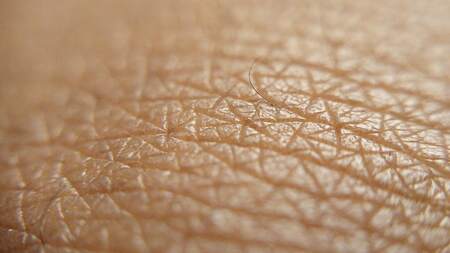
A skin pores close up image often makes pores appear deeper or more pronounced than they look under normal lighting. Magnified photographs can be useful for explaining skin texture, but they do not always represent how the skin appears in everyday conditions.
Can You Permanently Shrink or Close Pores?
Pores do not literally open and close, and their natural size is influenced heavily by genetics. You cannot permanently remove pores or make them disappear.
Pore minimizing care instead focuses on making pores appear smaller by:
- Keeping them free of oil and debris
- Managing excessive sebum production
- Supporting healthy skin cell turnover
- Protecting collagen from sun damage
- Improving skin firmness and texture
- Treating acne, congestion, or scarring that makes pores more visible
The best ways to reduce pore size are dermatologist-recommended strategies that address the reason the pores look enlarged rather than relying on products that promise to close them instantly.
What Causes Enlarged Pores?
Several factors can contribute to the size and appearance of your pores.
Genetics
Your natural pore size is largely inherited. If enlarged pores run in your family, you may be more likely to develop visible pores even when following a consistent skincare routine.
Excess Oil Production
When your sebaceous glands produce more sebum, oil can collect inside the pores and make them appear stretched. This is especially common across the nose, forehead, and central cheeks.
Sun Damage
Ultraviolet exposure weakens collagen and causes the skin to lose firmness. As the supporting tissue around each pore becomes less elastic, the pores may appear wider or more noticeable.
Clogging From Makeup or Dead Skin
When oil, dead skin cells, makeup, or debris builds up inside a pore, the opening may look darker and larger. Products that are too heavy or not labeled non-comedogenic may worsen congestion in acne-prone skin.
Acne and Inflammation
Ongoing acne can stretch or damage the tissue surrounding a pore. Acne scarring and inflammation may also create uneven texture that makes pores appear more prominent.
Age
As the skin ages, it naturally produces less collagen and elastin. This loss of structural support can accentuate the appearance of pores, particularly on sun-exposed areas of the face.
If you are wondering how to minimize pores caused by oil or congestion, the first step is usually proper cleansing, appropriate exfoliation, and daily sun protection. For pores affected by age, scarring, or sun exposure, professional care may provide better long-term improvement.
Enlarged Pores vs. Clogged Pores
Enlarged pores and clogged pores are related, but they are not the same condition.
| Concern | What It Means | Common Appearance | Typical Causes |
|---|---|---|---|
| Enlarged pores | Pores that appear wider or more visible | Small openings or uneven texture | Genetics, oil production, aging, collagen loss, sun damage |
| Clogged pores | Pores containing oil, dead skin cells, or debris | Blackheads, whiteheads, bumps, or dark plugs | Excess sebum, makeup, dead skin buildup, acne |
| Acne-related pores | Pores affected by recurring inflammation or scarring | Uneven texture, indentations, redness, or breakouts | Active acne, inflammation, picking, or previous scarring |
A treatment for pores should be selected based on whether the main concern is oil, congestion, reduced firmness, sun damage, acne, or scarring. Treating every visible pore in the same way may lead to irritation without addressing the underlying cause.
At-Home Strategies for Smaller-Looking Pores
While you cannot completely erase pores, you can make them less visible with a consistent skincare routine.
1. Cleanse Gently Every Day
Use a mild cleanser to remove oil, sweat, sunscreen, makeup, and dirt without stripping the skin. Cleansing too aggressively may damage the skin barrier and trigger additional irritation or oil production.
Wash with lukewarm water rather than very hot water, and avoid harsh scrubbing brushes unless recommended for your skin.
2. Choose Non-Comedogenic Products
Look for moisturizers, sunscreen, and makeup labeled non-comedogenic or oil-free. These products are formulated to reduce the likelihood of clogging pores, although individual reactions may vary.
3. Exfoliate Carefully
Chemical exfoliants such as alpha hydroxy acids and beta hydroxy acids may help remove dead skin cells and prevent buildup.
Salicylic acid is oil-soluble and may be particularly helpful for oily or congested skin. Alpha hydroxy acids may improve surface texture and dullness. Over-exfoliating can cause redness, sensitivity, and barrier damage, so stronger products should be introduced gradually.
4. Consider Retinoids
Retinol and prescription retinoids support skin cell turnover and may improve uneven texture, acne, and the appearance of enlarged pores over time.
Retinoids can cause dryness, peeling, or irritation, especially when first introduced. Patients who are pregnant, breastfeeding, or managing sensitive skin should consult a healthcare professional before using retinoid products.
5. Apply Sunscreen Daily
Daily broad-spectrum sunscreen helps prevent collagen breakdown and supports firmer-looking skin. Use an SPF of 30 or higher and reapply as needed during prolonged outdoor exposure.
Without regular sun protection, improvements achieved through skincare or professional treatments may be harder to maintain.
6. Keep the Skin Hydrated
A balanced moisturizer keeps the skin barrier strong and may reduce compensatory oil production. Choose a formula suited to your skin type rather than avoiding moisturizer because your skin feels oily.
7. Avoid Picking or Squeezing
Squeezing blackheads or congested pores may increase inflammation, damage surrounding tissue, and contribute to scarring. Professional extraction may be safer when significant congestion is present.
If you are looking for how to minimize pores naturally, consistency matters most. However, when pores remain large or textured even after proper care, it may be time to explore professional pore minimizing treatments in Nashville.
A skincare routine should match your skin type, sensitivity, and existing concerns. Schedule a professional skin evaluation before combining strong exfoliants, retinoids, or multiple active ingredients.
Pore-Care Mistakes to Avoid
Even well-intentioned skincare habits can make visible pores and irritation worse.
Avoid:
- Scrubbing the skin aggressively
- Using several strong acids at the same time
- Squeezing blackheads or clogged pores
- Skipping moisturizer because the skin is oily
- Sleeping in makeup
- Using heavy products that repeatedly clog the skin
- Applying pore strips too frequently
- Expecting pores to disappear after one treatment
- Skipping sunscreen after chemical exfoliation or professional procedures
The best skin care for minimizing pores should improve texture without repeatedly irritating or stripping the skin.
Professional Pore Minimizing Treatments in Nashville
At Curcio Dermatology, we offer advanced in-office solutions designed to improve skin tone, texture, and pore visibility. Each treatment plan is personalized according to your skin’s needs, sensitivity, pigmentation, and primary concerns.
A pores treatment dermatologist may evaluate oil production, acne, sun damage, scarring, skin laxity, and current product use before recommending a procedure.
1. Microneedling
Microneedling creates controlled micro-injuries that stimulate the skin’s natural healing response and support collagen production. As collagen develops, the skin may appear firmer and more even, helping visible pores and textural irregularities look less pronounced.
Microneedling may be considered for patients concerned about enlarged pores, uneven texture, fine lines, or certain types of acne scarring. Treatment frequency and recovery depend on the device, treatment depth, and individual skin needs.
Learn more about microneedling treatments.
2. Laser Resurfacing
Laser treatments resurface selected layers of the skin while stimulating collagen remodeling. They may improve visible pores, fine lines, sun damage, acne scars, and uneven texture.
Different laser technologies have different treatment depths, recovery periods, and suitability considerations. A professional evaluation is important because skin tone, pigmentation risk, sensitivity, and treatment goals can affect which option is appropriate.
Read about laser skin resurfacing.
3. Chemical Peels
Chemical peels remove damaged surface cells and encourage a smoother, more even-looking complexion. Depending on the ingredients and treatment depth, a peel may help unclog pores, improve dullness, reduce surface buildup, and refine uneven texture.
This is one of the pore minimizing treatments Nashville patients may consider for congested, oily, dull, or uneven skin. The appropriate peel depends on skin type, sensitivity, pigmentation, and desired recovery time.
Explore our chemical peel treatments.
4. HydraFacial
HydraFacial is a gentle facial treatment that combines cleansing, exfoliation, extraction, and hydration. It may be suitable for patients who want to improve congestion and skin clarity without significant downtime.
Although a facial cannot permanently shrink pores, removing excess oil and buildup may temporarily make pores appear cleaner and less noticeable.
5. Medical-Grade Skincare
Dermatology-approved skincare products can help support and maintain treatment results at home. Depending on your skin, retinoids, niacinamide, antioxidants, exfoliating acids, moisturizers, and sunscreen may be included in a personalized routine.
Medical-grade does not automatically mean that every product is appropriate for every person. Product selection should be based on your skin type, active conditions, tolerance, and treatment goals.
At-Home vs. In-Clinic Pore Minimizing Options
| Method | Type | Expected Progress | May Be Best For | Downtime |
|---|---|---|---|---|
| Gentle cleansing and SPF | At home | Gradual maintenance | Most skin types and daily prevention | None |
| Salicylic acid or AHAs | At home | Gradual | Oil, congestion, dullness, or surface buildup | Possible mild dryness |
| Retinoids | At home or prescription | Gradual with consistent use | Oily, acne-prone, sun-damaged, or aging skin | Possible peeling or irritation |
| Microneedling | In clinic | Progressive improvement | Visible pores, uneven texture, collagen loss, or acne scars | Varies by treatment depth |
| Laser resurfacing | In clinic | Progressive, longer-term improvement | Sun damage, reduced elasticity, scars, or advanced texture concerns | Varies by laser type |
| Chemical peels | In clinic | Gradual to progressive | Clogged, oily, dull, or uneven skin | Varies by peel depth |
| HydraFacial | In clinic | Immediate temporary refinement | Congestion, dehydration, or routine maintenance | Minimal to none |
Results vary according to pore size, skin type, age, sun exposure, acne history, treatment choice, and consistency with long-term care. No treatment can guarantee permanently invisible pores.
Not sure whether a chemical peel, microneedling, facial, or laser resurfacing is appropriate for your skin? Meet with Curcio Dermatology for a personalized treatment recommendation.
Which Pore Treatment Is Right for You?
The best skin treatment to reduce pores depends on why they appear enlarged.
Microneedling may be considered when collagen loss, acne scarring, or overall texture is the primary concern. Laser resurfacing may be more appropriate for patients who also have sun damage, fine lines, pigmentation concerns, or more advanced textural changes.
Chemical peels may work well for surface buildup, congestion, oiliness, or dull skin. HydraFacial may be suitable for patients seeking gentle extraction and hydration with little downtime.
Some patients benefit from a combination approach. For example, professional treatments may address texture and collagen while a customized home routine helps control oil, prevent congestion, and protect the results.
A dermatologist should also consider skin tone, sensitivity, active acne, rosacea, pigmentation risk, medical history, and current medications before recommending treatment.
Dermatologist Tips for Long-Term Pore Care
Long-term pore care requires consistency rather than aggressive or frequent treatment.
Use Broad-Spectrum Sunscreen Every Day
Daily sun protection helps preserve collagen and reduces additional texture changes. Sunscreen is important even when the weather is cloudy or when most of the day is spent indoors near windows.
Control Acne and Excess Oil
Untreated acne and persistent oil buildup may make pores more visible. A dermatologist can recommend topical or prescription treatment when over-the-counter products are not enough.
Introduce Active Ingredients Gradually
Avoid starting retinol, salicylic acid, and strong alpha hydroxy acids at the same time. Introduce one active product gradually and monitor the skin for dryness, redness, burning, or peeling.
Protect the Skin Barrier
A damaged skin barrier can make the face look red, rough, and uneven. Gentle cleansing, appropriate moisturizing, and avoiding excessive exfoliation can support healthier-looking skin.
Follow a Maintenance Plan
Professional treatment results often require ongoing sun protection, skincare, and occasional maintenance appointments. The frequency depends on the procedure and the condition being treated.
These dermatologist tips for long-term pore care can help maintain smoother-looking skin while reducing the risk of irritation from unnecessary or overly aggressive products.
When to See a Dermatologist
If you have tried multiple products and are still wondering how to minimize pores effectively, it is best to consult a professional. Enlarged pores can sometimes occur alongside concerns such as acne, rosacea, excessive oil production, sun damage, or scarring that require tailored treatment.
Consider seeing a dermatologist when:
- Visible pores do not improve with consistent home care
- You have persistent blackheads, whiteheads, or inflammatory acne
- Skincare products repeatedly cause burning or irritation
- Your skin has developed uneven texture or acne scars
- Sun damage or loss of firmness is making pores more noticeable
- You are unsure which active ingredients can be combined safely
- You are considering laser resurfacing, microneedling, or a chemical peel
Our Nashville dermatology team can evaluate your skin and recommend the most appropriate pore minimizing treatments based on your goals, sensitivity, skin type, and medical history.
What to Expect During a Pore Consultation
During your consultation, the Curcio Dermatology team will examine your skin and discuss your primary concerns, current skincare routine, previous treatments, and desired results.
Your evaluation may consider:
- Natural pore size and genetics
- Oil production and congestion
- Active acne or rosacea
- Sun damage and pigmentation
- Collagen loss and reduced elasticity
- Acne scars or other textural changes
- Skin sensitivity
- Current medications and products
- Your preferred recovery time
Based on these factors, your dermatologist may recommend a personalized home routine, an in-office procedure, or a combination treatment plan. You will also receive guidance about expected improvement, preparation, aftercare, and maintenance.
Why Choose Curcio Dermatology?
Curcio Dermatology is led by Dr. Natalie M. Curcio, a board-certified, fellowship-trained dermatologist with extensive experience in laser, cosmetic, surgical, and medical skin procedures.
Patients across Nashville trust our clinic for scientifically supported, results-focused skincare designed to enhance skin health and confidence. Our approach combines advanced technology, medical expertise, and compassionate care to help patients pursue visible improvement safely.
Rather than offering the same treatment to every patient, we assess the underlying cause of visible pores and create a plan based on the individual’s skin, comfort level, and goals.
Get treatment guidance from a board-certified, fellowship-trained dermatologist. Request an appointment at Curcio Dermatology in Nashville.
Frequently Asked Questions About Minimizing Pores
Can pores be permanently closed?
No. Pores are natural openings associated with hair follicles and oil glands. They cannot be permanently closed or erased, but their appearance may be reduced through consistent skincare, oil control, sun protection, and professional treatment.
What causes facial pores to look larger?
Genetics, excess oil, clogged pores, acne, sun damage, reduced collagen, aging, and certain skincare products can make facial pores appear more noticeable.
Which skincare ingredients help minimize pores?
Depending on your skin, salicylic acid, alpha hydroxy acids, retinol, prescription retinoids, niacinamide, non-comedogenic moisturizers, and broad-spectrum sunscreen may help improve pore appearance.
Does microneedling reduce the appearance of pores?
Microneedling may improve visible pores by stimulating collagen and refining uneven skin texture. Results vary, and a series of treatments or ongoing maintenance may be recommended.
Are chemical peels effective for enlarged pores?
Chemical peels may remove surface buildup, improve texture, and make pores appear less noticeable. The most appropriate peel depends on your skin type, sensitivity, pigmentation, and treatment goals.
Is laser resurfacing better than microneedling for pores?
Neither treatment is universally better. Laser resurfacing may be suitable for pores associated with sun damage and texture changes, while microneedling may support collagen remodeling with a different recovery profile. A dermatologist can determine which option is appropriate.
When should I see a dermatologist about enlarged pores?
See a dermatologist when enlarged pores occur with persistent acne, inflammation, scarring, rosacea, irritation, or a lack of improvement after consistent over-the-counter care.
Book Your Pore Minimizing Consultation in Nashville
Smoother, more even-looking skin may be achievable with the right combination of home care and professional treatment. Whether you are interested in microneedling, laser resurfacing, chemical peels, HydraFacial, or customized pore minimizing treatments in Nashville, our team can help you understand how to minimize pores and improve your skin’s overall clarity.
Schedule your consultation with Curcio Dermatology and begin a personalized plan for healthier, more radiant-looking skin.